


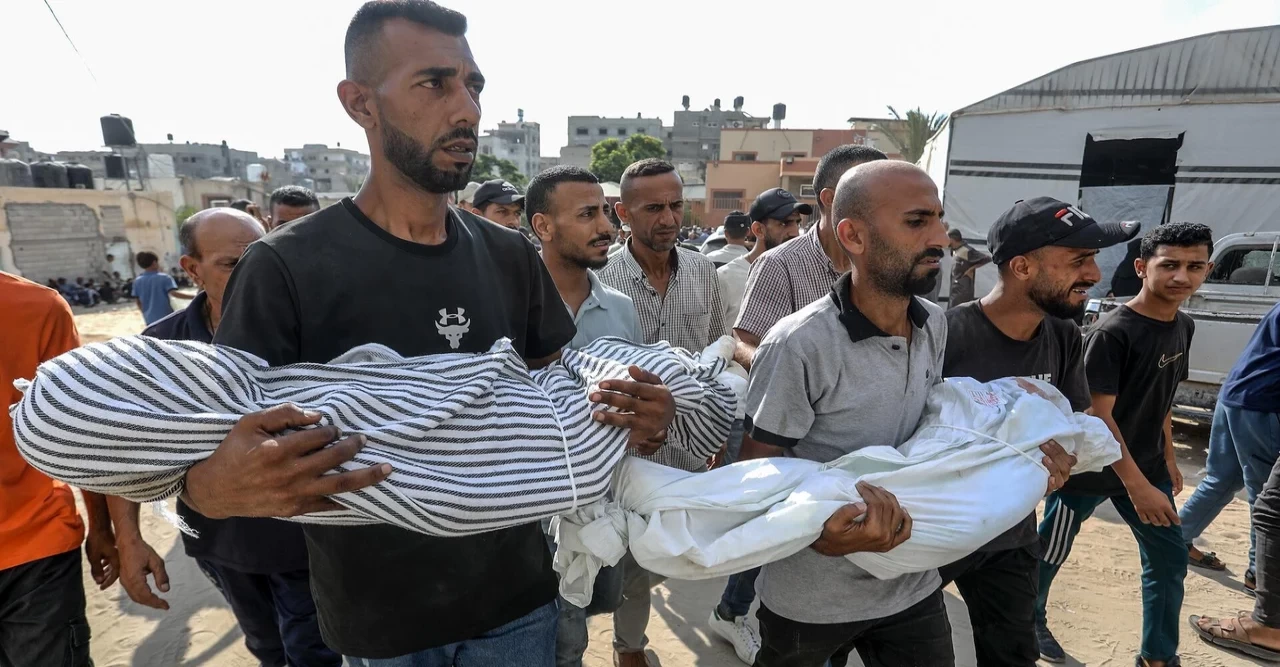
Israel Cracked the Ceasefire: Israel Continues Genocide
The ceasefire has become fragile and tenuous as Israel has killed civilians again and blocked the aid in half.
Dr. Pamelia Riviere
Wild celebrations on both sides, Israel and Gaza, but prospects for a lasting peace depend on negotiations and compromises that seem hard to achieve.
Tragedy unfolds in Gaza as dozens of Palestinians lose their lives at the hands of the IDF, igniting a fierce debate over alleged breaches of the recent ceasefire. Tensions escalate as both Israel and Hamas exchange accusations, deepening an already tumultuous situation.
Catastrophic events unfolded as nine innocent Palestinians were tragically killed, seemingly without any provocation. Just as they were making their way home, an unforeseen and devastating incident changed everything. The tension and chaos of the moment created a heartbreaking scene that has captured the world's attention. This unexpected escalation has left the world in a state of turmoil, raising questions about the motives behind such a drastic action. The tension is palpable as the ramifications of this incident unfold!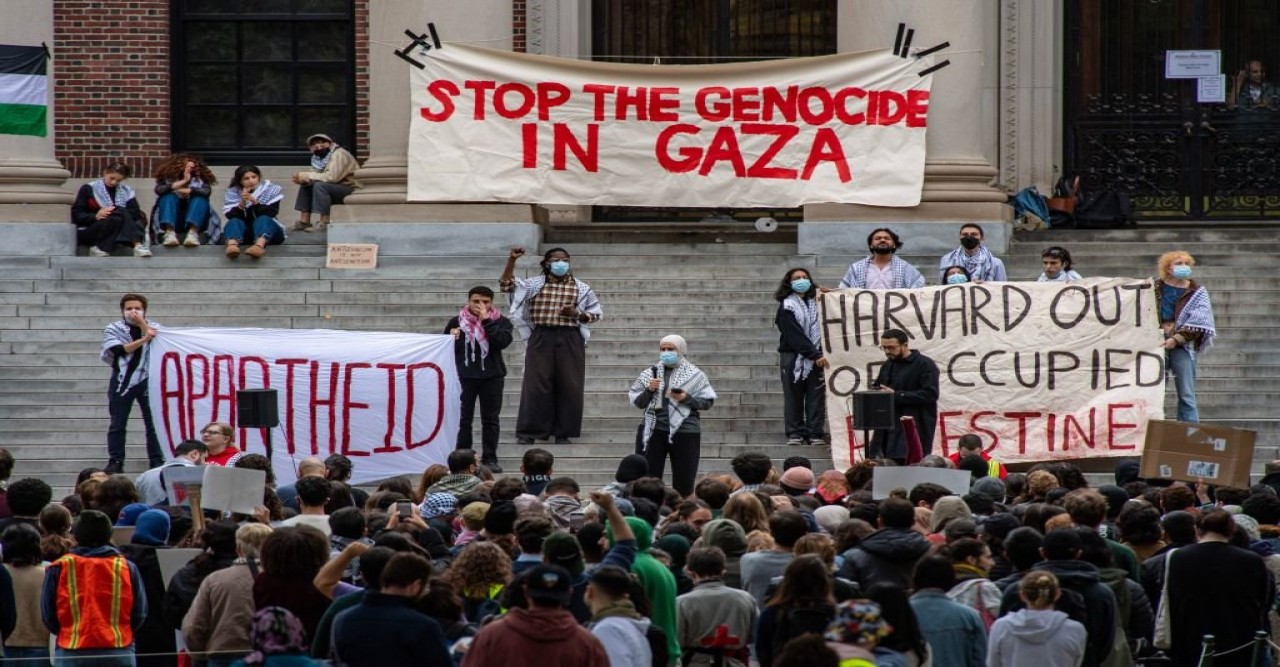 It seems that Israel could break the ceasefire by accusing Hamas of prolonging the delay in returning the bodies. Benjamin Netanyahu can start ethnic cleansing without any provocation at any moment. In a shocking turn of events, Israel has taken the lives of nine war-torn home returnee Palestinians and stopped aid in Gaza partially, sparking outrage and disbelief.
Lawlessness emerged on the very first day of the ceasefire
President Donald Trump says Hamas assured US mediators it will disarm, warning that if the Palestinian group didn’t do so, the US would – “perhaps violently”, reported Al Jazeera.
However, anarchy emerged on the very first day of the ceasefire in Gaza, marking a pivotal moment in the ongoing conflict. Eyewitnesses recounted to the BBC a dramatic scene where approximately 300 Hamas fighters surged into a residential block where Doghmush clan gunmen had taken refuge. A Palestinian security source informed the Reuters news agency that Hamas initiated a formidable campaign in Gaza City, resulting in the deaths of 32 individuals associated with what they referred to as “a gang.” The toll of this violent clash was significant; according to the Interior Ministry, eight Hamas members and 19 clan members lost their lives in the confrontation. 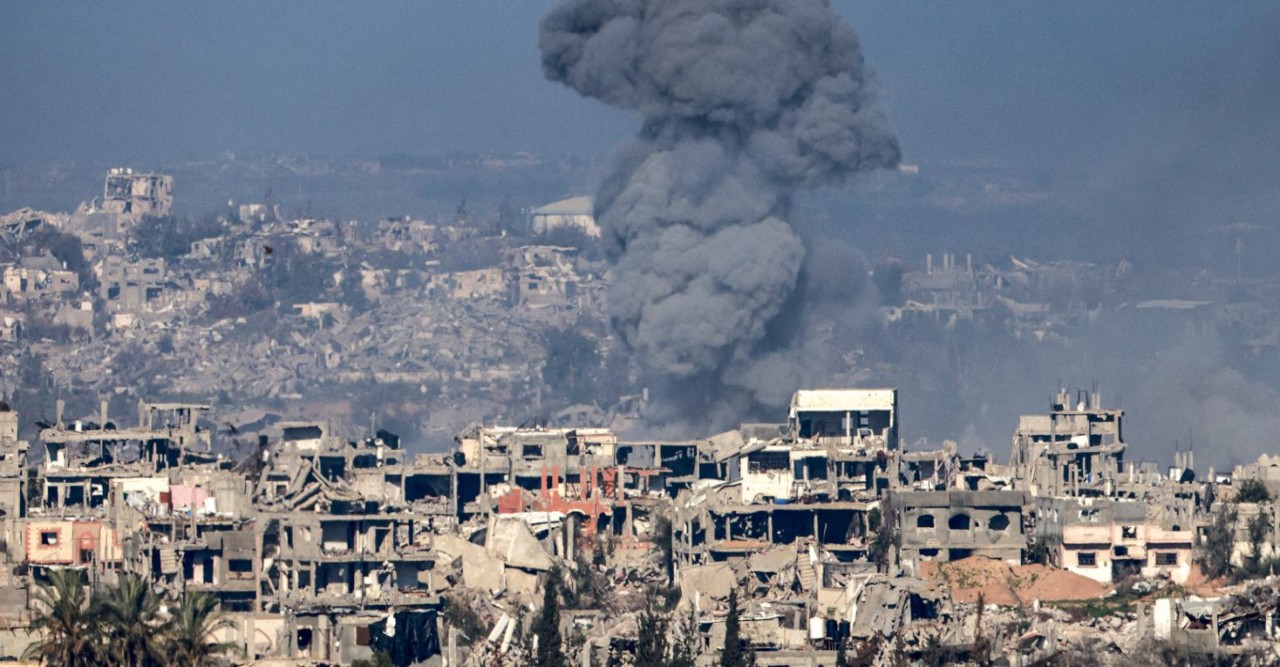 Among the fallen was a journalist Aljafarawi, whose death sparked profound grief across the community. In the midst of this sorrow, a poignant video circulated on social media showing Aljafarawi warmly greeting his friend and colleague, Anas al-Sharif. Al-Sharif, a dedicated correspondent for Al Jazeera, was tragically killed by Israeli forces on August 10. Like Al-Sharif, Aljafarawi had reportedly faced numerous threats from Israeli authorities due to his courageous reporting, a fact highlighted by Al Jazeera in their recent coverage of the situation.
The question arises: Do the Doghmush Clan truly receive support from Israel? Analysts suggest that it was not Hamas, but rather Israel-supported factions, acting as collaborators, who were responsible for the theft of food aid during the genocide and sold the food aid in the market at a higher price.
In the midst of this turmoil, Hamas must recognize the necessity of halting its internal strife; only then can civilians genuinely benefit from any momentum generated by a ceasefire.
There are numerous paths to healing the deep-seated pain and restoring a semblance of normalcy, yet the relentless fighting among factions persists. Hamas, Fattah, and the Palestinian authorities must tread carefully to avoid further tarnishing their reputation as violent extremists. This ongoing discord presents Israel with the opportunity to reassert its control over Gaza and continue its campaign of ethnic cleansing.
Killing war-torn returnees, the Palestinian refugees, unstitched the ceasefire
Additionally, uncertainties surround the handover of deceased Israeli bodies. Hamas claims it is involved in efforts to locate the remains of those lost as Gaza has faced intense bombardment, complicating the tracking of hostages.
In a distressing turn of events, Israel has declared plans to significantly reduce food aid, exacerbating an already dire humanitarian crisis in Gaza and leaving countless individuals grappling with the spectre of starvation. The Israeli government cites delays in the release of bodies as justification for halving these vital aid deliveries.
The situation remains precarious, as the ongoing violence threatens the fragile ceasefire. While Israel has not retreated from Gaza, it has expanded its control to the periphery, resulting in the unnecessary loss of civilian lives.
Claims by Israeli forces that those killed had crossed a designated yellow line are being disputed; in reality, they were merely investigating their devastated homes when they fell victim to aerial attacks.
Israeli soldiers have reportedly killed at least nine Palestinians who were attempting to return to their homes in northern Gaza City and southern Khan Younis, marking the first significant breach of the US-brokered ceasefire that had been established to ease tensions in the region. According to initial reports from the Palestinian Civil Defence, those individuals lost their lives today in two distinct incidents: one occurring in eastern Gaza and the other to the east of Khan Younis.
Eyewitness accounts suggest that the situation escalated quickly, with Israeli forces targeting groups of civilians who were trying to assess the condition of their homes after a prolonged period of conflict. A separate drone strike in Gaza's eastern Shejaiya neighborhood, reported by the Wafa news agency, resulted in further casualties.
However, the Israeli military has justified its actions by stating that the strikes were carried out after civilians crossed the designated yellow line—an area from which its troops had retreated as part of Trump's ceasefire plan. This incident has raised serious concerns about the rules of engagement and the protection of civilians in a fragile ceasefire scenario, drawing international attention and condemnation.
Israeli airstrikes may hinder Hamas's ability to locate and retrieve the remains of some hostages
Furthermore, Israel has informed the United Nations that it will only permit half of the aid trucks it initially agreed to allow into famine-stricken Gaza as part of a US-brokered ceasefire. This decision is attributed to concerns that Hamas is not making sufficient progress in returning the bodies of deceased captives.
Nonetheless, Israeli officials are aware that the extensive destruction caused by Israeli airstrikes may hinder Hamas's ability to locate and retrieve the remains of some hostages. On October 9, 2025, CNN reported that Israeli assessments suggested Hamas might struggle to find and return all of the 28 deceased hostages remaining in Gaza. Emerging intelligence indicates that the actual number of identifiable remains could be in single figures, although initial estimates suggested a higher count. These assessments are based on Israeli intelligence reports as well as communications from Hamas and mediators involved in ongoing negotiations. Israeli officials, along with families of the hostages, have accused Hamas of violating the truce agreement by failing to return the remains of former captives promptly. The ceasefire agreement called for the immediate handover of all bodies in Gaza, but recognized the challenges posed by the destruction in the area. Prior to the conflict, Gaza was urbanized mainly, but two years of heavy bombardment have resulted in widespread devastation.
As of Monday, Hamas had returned only four bodies, significantly fewer than the approximately two dozen remaining. This shortfall has caused frustration among Israelis who anticipated a greater number of returns. Hamas has informed the mediators that it will transfer four more bodies of deceased hostages to Israel on Wednesday, The Times of Israel reported.
However, on Tuesday night, the Israeli military announced that the Red Cross had received an additional four coffins containing the remains of hostages.
In response to the situation, the Israeli government is contemplating restrictions on aid to Gaza to hold Hamas accountable for not delivering more bodies of the former hostages. Israeli officials told Reuters on Tuesday that the Rafah border crossing between Gaza and Egypt will stay closed until Wednesday after Hamas did not hand over the remains of the hostages as part of the U.S.-brokered ceasefire deal. No gas or fuel is allowed in Gaza.
Nevertheless, the extensive devastation in Gaza complicates the efforts to recover all remains, raising concerns that Israel may accuse Hamas of not fulfilling the terms of the ceasefire agreement and start slaughtering civilians.
Israel’s aggressive behaviour indicates that its threat and assault on the Palestinians will persist until Palestine’s statehood is recognized.
Leftist Israeli Lawmaker protests Trump: recognize Palestine
On October 13, 2025, during a highly anticipated address by President Donald Trump to the Israeli Knesset, tensions erupted when Arab-Jewish lawmaker Ayman Odeh interrupted the proceedings. Odeh, representing the Hadash-Ta'al alliance, stood up, brandishing a bold sign that read "Recognize Palestine!" as he shouted demands for the recognition of Palestinian statehood.
His protest was short-lived, as he was quickly ejected from the chamber by security personnel. In his impassioned remarks, Odeh deemed Prime Minister Benjamin Netanyahu’s assertions of a “false victory” concerning the recent military events as deeply misleading. He accused the Israeli government of opportunistically leveraging the tragic October 7th attack to bolster its own political narrative, suggesting that the government was exploiting the situation for its own gain rather than advocating for genuine peace and recognition of Palestinian rights.
Following the incident, which drew attention both domestically and internationally, Odeh expressed his frustration in an interview with Democracy Now!, stating, “Yesterday, there was a disgusting display of flattery and personality cult by two megalomaniacs who are hungry for power and blood,” referring to the political atmosphere surrounding Trump's visit and Netanyahu's administration. Odeh's protest reflects the broader sentiments among certain segments of Israeli society regarding the Palestinian issue, emphasizing the ongoing struggle for recognition and the complexities of Israeli politics in times of conflict.
US President Donald Trump, who returned to Washington following his visit to Israel and a peace summit in Egypt, asserted that he had brokered a lasting peace agreement and that fighting would not resume.
In reality, it did not happen. Israel violated the ceasefire rules by killing civilians.
Uncertainty looms large: opening the door to ethnic cleansing
Signs of tension are emerging in the Israel-Gaza ceasefire agreement, just a day after all surviving captives were brought back to Israel and Israeli troops had withdrawn from some regions of Gaza. According to the conditions of the agreement, the remains of all hostages, whether alive or deceased, were supposed to be repatriated simultaneously.
Hamas claims it is having difficulty immediately locating the remains of 20 deceased hostages, which are interred in the ravaged terrain of Gaza. Israel has dismissed that rationale and announced it will limit the humanitarian assistance allowed into Gaza and keep the crucial Rafah border crossing closed until Hamas meets its obligations. Aid organizations are warning that restricting aid supplies will severely impact Gaza’s vulnerable population, many of whom lack shelter, food, or medical care.
There are also uncertainties surrounding Hamas's willingness to give up its arms as stipulated in the agreement. Armed members of Hamas have resumed their presence on the streets and have engaged in conflicts with armed groups they accuse of cooperating with Israel. Israeli forces killed innocent civilians in Gaza on the second day of the ceasefire deal, claiming they opened fire on people attempting to cross into areas of Gaza still under Israeli control.
Meanwhile, the released Israeli captives and Palestinian prisoners, and their relatives, have shared their joy at being free for the first time since their release. Can they truly enjoy the moment of reunion and appreciate the ceasefire?
The tragic loss of nine innocent Palestinians could have been easily prevented. For the past two years, these starved individuals have endured immense suffering and pain, unable to return to their homes due to Israel's cruel and unforgiving stance. This heartbreaking incident underscores the relentless struggles faced by civilians in the region, leaving a profound and lasting impact on their families and communities.
Killing nine Palestinians and the declaration of aid blocking reflects an alarming disregard for ceasefire agreements by Israel, suggesting a desire to provoke Hamas and further escalate tensions, thereby opening the door to the grim possibility of ethnic cleansing in Gaza.
Dr. Pamelia Riviere is a freelance writer and analyst.
.jpg)



.jpg)